

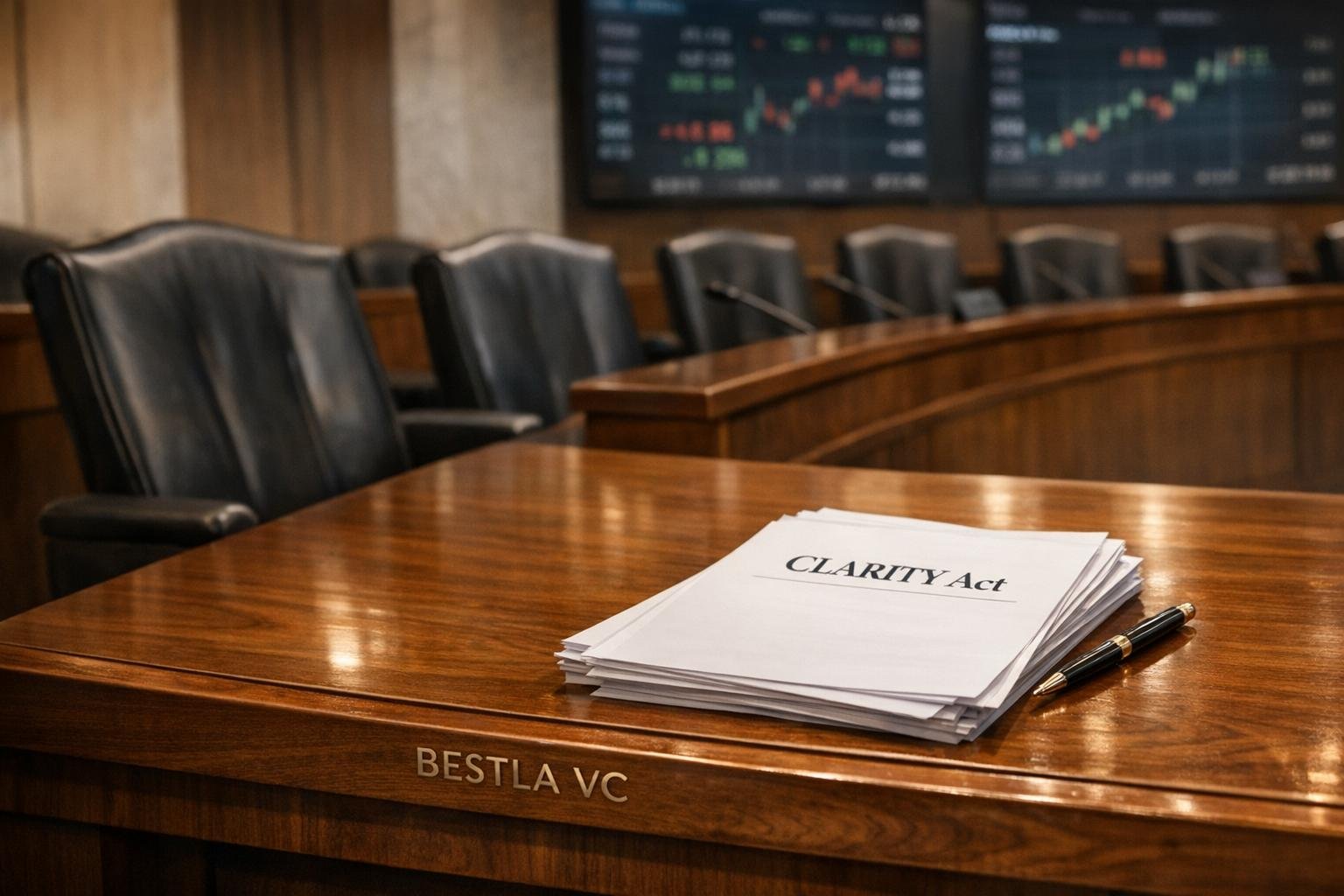
A scheduled vote on the much-anticipated cryptocurrency market structure legislation, known as the CLARITY Act, was postponed late Wednesday after an intensive debate and significant pushback from key industry figures. The Senate Banking Committee had planned to vote on the bill Thursday, but unresolved concerns led to the delay.
Despite this setback, Senate Banking Chairman Tim Scott, R-S.C., remains optimistic about the bill’s future. Speaking with Fox News Digital prior to the postponement, Scott emphasized the bipartisan effort that has gone into drafting the legislation. "We’ve taken over 90 of the Democrats’ priorities, and we’ve filtered them", Scott said. "We really have come to the conclusion that [the priorities are] overall good enough to be a part of the process. So we have taken a lot of their input and some of the issues that they were concerned with, we as Republicans were concerned with as well, things like AML, all the money laundering issue being a priority for the Democrats."
Scott made it clear that anti-money laundering (AML) provisions, along with measures such as "KYC, knowing your customer [requirements], the BSA", have been focal points of the legislation. "Their priorities really met the day", he added, "and we were able to invent tougher rules around AML… because national security is so important to all of us."
Industry Concerns Spark Delays
The delay in the vote was further compounded by the withdrawal of support from Coinbase, the world’s largest cryptocurrency exchange. CEO Brian Armstrong took to X (formerly Twitter) to announce his decision, citing significant concerns with the current draft of the CLARITY Act. Armstrong highlighted that the bill, as written, could potentially "ban tokenized equities, restrict DeFi [decentralized finance], expand government access to financial data while reducing privacy, weaken the CFTC [Commodity Futures Trading Commission] in favor of the SEC [Securities and Exchange Commission], and eliminate stablecoin rewards in ways that could let banks shut out crypto competition."
The White House’s crypto czar, David Sacks, addressed the situation following the postponement, urging the industry to use this delay as an opportunity to reconcile differences. "Passage of market structure legislation remains as close as it’s ever been", Sacks stated on X. "Now is the time to set the rules of the road and secure the future of this industry."
sbb-itb-c5fef17
Broader Push for Regulation
Amid the ongoing debate, there is widespread acknowledgment of the need for federal intervention to provide clearer rules for the burgeoning crypto industry. Dominari Securities CEO Kyle Wool emphasized that regulatory oversight is crucial for protecting investors and broadening the market. "As newer, more fringe industries grow and capital increases, you will have more need and oversight from the regulators", Wool told Fox News Digital. He described these regulations as essential for establishing "a fair, honest, and efficient market for all."
Wool added that such regulation would benefit the market by increasing liquidity and drawing in a larger audience. "This in turn also opens the crypto market to a wider audience and thus befits it more by increasing liquidity and having greater depth", he noted.
Looking Ahead
The White House has reiterated its commitment to working with Chairman Scott, the Senate Banking Committee, and industry stakeholders to finalize and pass bipartisan crypto market structure legislation. While the passage of the CLARITY Act has hit a temporary roadblock, Scott remains confident about its future. "President Trump and I have talked seriously about the importance of 2026 being the year of affordability", Scott said. He described the legislation as a "generational shift" aimed at increasing access and lowering costs for families across the country.
Although the timeline for the vote remains uncertain, industry leaders, lawmakers, and regulators appear to agree on the importance of establishing a comprehensive framework to guide the crypto industry into the future. For now, discussions will continue as stakeholders work to address lingering concerns and build consensus on this landmark legislation.